
MLB Draft Buzz: California Chronicles
April 14, 2026

It is the deepest high school talent pool in the country, and it shows up every year in the draft. Not just at the top, but throughout the board with impact players, projection arms, and a long list of follows who turn into real decisions. The volume is part of it, but it’s also the consistency of the player types: athletic up-the-middle guys, polished hitters, and a steady run of pitchers with traits you can work with.
There is a reason California produces more big leaguers than any other state. The population is part of it, but it goes deeper than that as the commitment to baseball runs statewide, from San Diego up to the Oregon border. The Golden State develops players, year after year.
Even in a draft cycle that has been unsettled this spring, with plenty still to sort out, California remains central to the search for real value. The talent base is too deep to ignore, and it will have a say in how this class ultimately shapes up.
Below is a look at a dozen California draft prospects seen during Shooter Hunt’s time in the state, including several potential first-rounders:
 |
Jared Grindlinger OF / LHP / Huntington Beach, CA / 2027In a much anticipated matchup against a national championship contender, Grindlinger gutted through 4.2 innings of 2-hit ball (1 earned run) while striking out 8 against 3 walks with the stuff getting increasingly better throughout the outing. Outside of a solo home run on a first-pitch changeup, the southpaw mostly dominant in the early morning look including double-digit in-zone whiffs on a fastball that ran up to 95 mph.
The 6-foot-3, 185-pound left-hander carries a thicker trunk with room for plenty of physical advancement in coming years. Ultra-competitive on the mound, Grindlinger features a rocking leg lift that gathers with a strong stack before working linear down the mound with a semi-high front shoulder giving way to a quick, efficient arm action that releases out of a near ¾ slot. There was effort out front, but the level of importance of the game warranted such. The fastball, which worked 92-94 including 95 on his 90th and final pitch, featured some late life in the zone, and crowded a stacked lineup all day. Featuring more of a “shotgun look” in the zone, it was an above average, raw offering that could easily jump at least a grade in the next 12-18 months. While the changeup flashed as an adequate third offering at 78-83 with similar attributes to the heater, it was the slider that provided the most promise as a future weapon. Spun firmly at 82-86, the pitch made significant strides with each new inning, and flashed as a wipeout offering, especially when back-footed to right-handed hitters. Grindlinger appeared curiously confident in manipulating the pitch, which featured more depth than bullet action at times, and only served to amplify the potential that he might hold within the right player development system.
What separates Grindlinger, beyond his status as the youngest prospect in the class, is his innate moxie and competitive edge. There is nothing forced about the way that he handles himself between the lines, and his comfort with the spotlight is likely tied to his tunnel-vision for winning. That winning mentality is something that helps carry his upside as a position player, as well. A left-handed-hitting outfielder, his elite bat-to-ball ability combines with a flat path and considerable plate coverage in presenting the look of one of the more intriguing hit-tools in the class. While his arm and mound work presently outpace the prospect status at the plate, a residency in Knoxville (at Tennessee, where he is committed) would undoubtedly provide a path to being one of the better position players in the on-campus crew and set him on a 1st round trajectory. Whereas this look did not cement Grindlinger as slam-dunk first rounder with regards to pure stuff, it was still captivating given his youth and high-ceiling. The question for the scouting community will be to analyze (and predict) how high that ceiling should be placed, especially when considering that he is almost two full years younger than the top two left-handed arms in the class (Bolemon & Rojas). From the standpoint of this scout: Grindlinger has the makeup, tools, and drive for improvement that are impossible to walk away from early on Day 1.
|
 |
Blake Bowen OF / JSerra Catholic, CA / 2026Bowen enjoyed the loud, impactful moments that resonated with decision makers as he belted triple-digit exit velocities on home runs on back-to-back days including an astounding 111 mph missile on Day 1. The 6-foot-3, 230-pound center fielder played with an incessant motor, including stealing home at one point, and galloped downhill while patrolling the outfield at an advanced level. At the plate, the right-handed slugger’s swing carried a bit of a different look than in the past, while still producing the outputs that have directors and decision makers making multiple stops to JSerra. More pronounced into his legs with a crouched look while separating the hands into a semi-hitched load with a knee knock stride, Bowen’s tight connection presented a powerful look through the zone with minimal effort needed to produce top-of-the-scale results.
Consistently on time across a two-day look, Bowen made quality swing decisions, patiently waiting out those that he could drive without a whiff. While the pure hit-tool is still less evident than in some of his counterparts, Bowen’s upside power potential outpaces that of nearly every player in the class. His impact and value potential more than warrants strong first round consideration and his rarified profile as a middle-of-the-order run-producer and defensive game-changer will not provide an avenue for any club to push him down to a second pick. Those willing to pay for the potential might ultimately net enduring value from this hard-working SoCal slugger.
|
 |
Trey Ebel SS / Corona High School, CA / 2026Ebel’s tight turns and quick hands stand out at the plate along with an aggressive approach that displays controlled violence. One of the younger prospects in the class (17.9 on draft day), the right-handed hitting infielder carries some mature strength on an athletic, 6-foot, 185-pound frame with ground force ability seen on both sides of the ball including a quick first step defensively. More of an average runner, the speed plays up some due to great instincts. Defensively he moves with crisp, instinctual actions at shortstop, and while he likely profiles as more of an offensive second baseman professionally, his above average arm and glove work will allow for a sendoff on the left side. However, the bat is the clear value-tool, and his sneaky 2nd round status is built around the vision of what it may become.
This four-game look saw Ebel get off some great swings in all counts without gaudy results. Setting up in a square, athletic base with the hands starting higher next to the ear, an early “stop/start” look sets the stride foot as the hands rock down and back below the shoulder semi-hitching up with lightning-quick hands and strong wrists keeping the barrel above throughout the pursuit. The heaviness of the barrel was on full display throughout and it held residency in the zone with innate ability to cover the entire plate. Pullside power is present, but Ebel’s ability to drive the ball to the opposite field was even more impressive in these looks, especially with two strikes. At times, the barrel positioning became too vertical in the setup, but that appeared to be corrected from at-bat to at-bat which provided even more promise about the upside of a professional hitter. Beyond the pure tools that require Day 1 attention, Ebel’s makeup and quiet competitiveness are sure to gain admiration from the scouting community. Ultra mature in the way he handles himself on the diamond, Ebel rarely changes complexion with keen intent and focus, and his ability to ride the waves of ups and downs that come along with the game of baseball are admirable. The motor is incessant and high, even without effort, and he seems to crave the idea of getting better. In short, Ebel has the tools and bat-to-ball ability, mixed with quality zone awareness and swing decisions, to blossom in coming years as one of the better bats in this prep class.
|
| |
Archer Horn 3B / RHP / St. Ignatius Prep, CA / 2026Listed at 6-foot-2, 205-pounds, Horn carries sturdy, natural strength throughout an athletic frame that hints at more physicality to come. In a similar fashion to Phillies 2023 1st round pick Aidan Miller, whose frame and bat-first profile suggested an elite third base defender, Horn moved admirably at shortstop in this look. While it is (likely) not a long-term stop, the confident, soft hands and plus-arm (he also pitches), combined with crisp footwork, more than warrant an initial try at the coveted “premium position”.
However, the bat is still the carrying tool. The left-handed slugger features a balanced approach, setting up open before squaring off with minor hands separation while gearing the back side with forceful use. When at his best, Horn’s two-handed, club-swing presents a heavy barrel with some adjustability in the zone, and a propensity for covering the plate with loud back side drives. Pressing in this early morning, initial look after what was likely a 5 AM wakeup call, there were some tense swings-and-misses before a much better look in the early afternoon. The barrel remains endlessly in the zone, and while it is less of a natural power profile, it is reasonable to expect a greater influx in coming years. When at his best, the separation of the hands presents a forceful look of the barrel, but each of the whiffs (in this look) saw a bit of a barrel dump with some stagnation. Still, the adjustability and balance shine, and all signs point to the fact that Horn will have a chance to hit at a high level. While this look was not a cementing of a first rounder, it did little to dissuade the excitement of Horn’s future upside. Whether as a Day 1 selection this year or as one of the top incoming freshmen next fall, there is significant value as a future run-producer.
|
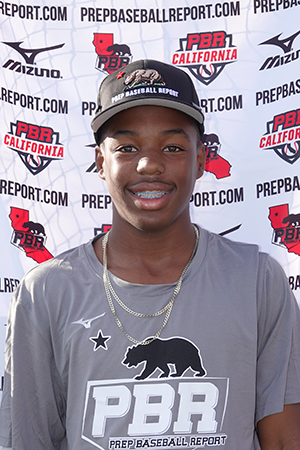 |
James Clark SS / 3B / St. John Bosco, CA / 2026No prospect has garnered as much helium as Clark over the past year, but greeted by a pair of tough, hard-throwing southpaws with tough sliders at 9 AM, Clark scuffled at the plate on the first two days before collecting a pair of hits on the third. Listed at 6-foot-1, 195-pounds, the left-handed hitting shortstop appeared, perhaps, a tick shorter while still holding the same strength in a well-proportioned, athletic frame. He moved fairly nimbly throughout pregame including adequate arm strength across the diamond, and while it was less of a dynamic defensive look, it still warrants initial consideration at the premium position.
Rushed at the plate on the first two days, while also facing tough angles from the opposing pitcher and a generous plate length from the umpire, Clark fell into tough counts with a collection of swings-and-misses including several strikeouts. More in sync on the third day, the hands were more relaxed. Square and upright with the hands held by the ear, a more abrupt drop into a near arm-bar load created a more disconnected appearance against the southpaw while still presenting considerable bat speed on a slightly uphill plane. Again, the difficulty of the early morning setting, left-on-left after an early wakeup call must be taken into account, but the third day revealed a far more relaxed look that might better catapult Clark for the rest of the season. When at his best, Clark tracks with a keen eye and considerable balance from the ground up, and the swing features plenty of lag with tight-windowed quickness. Still a Day 1 lock, Clark will have his fair share of opportunities against premium arm (he has already faced a slew of them) in Trinity League play with the hopes of cementing a 1st round selection.
|
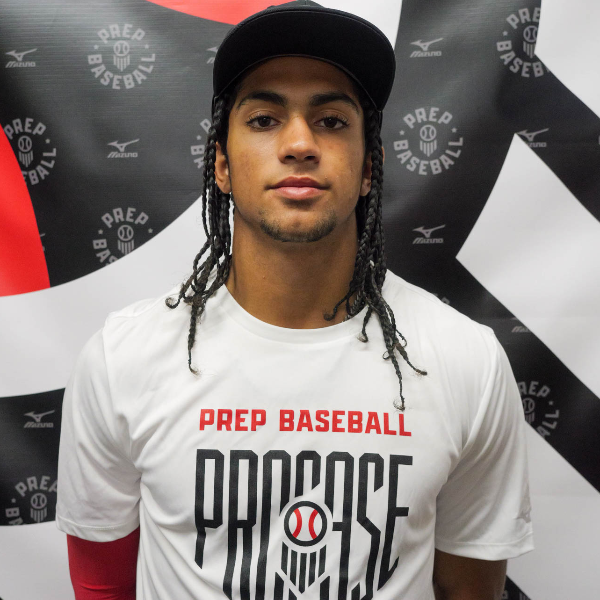 |
Anthony Murphy OF / Corona High School, CA / 2026A top 40 prospect in the class, Murphy’s tools and athleticism stand out across the board including holding a plus-defensive profile in center field with a plus-arm. Listed at 6-foot, 185-pounds, the frame looked noticeably stronger (still lean) than last summer, but with the same agile athleticism that has long been alluring. A leadoff fixture in the Corona lineup for his fourth year, Murphy has long defied the logic of new age, analytical-heavy scouting departments in the sense that he presents a conundrum with regards to the data: there is copious amounts of hard contact with eye-opening bat speed, alluring athleticism, and considerable natural power, but also a fair share of swing-and-miss.
This initial spring look saw the same paradox come to light as the right-handed hitter blasted a no-doubt home run to the pull side against the wind, took a walk, and then struck out in his final two at-bats. Each swing comes with dangerous, controlled intent as the hands bounce low into a rocking set with a short stride that exhibits a relaxed forward move. From there, the barrel gets on-plane early with some length in the zone, and the exciting outfielder has shown an ability to drive the ball to all fields in the past, although this look held more of a pronounced pull side look. Quality hip-strike stands out, and while the swing-and-miss showed itself, the exciting upside of the SoCal native still pervades the all around sentiment. Obviously, the actual profiles are different, but James Wood and his K-rate come to mind as a recent prospect who went against the grain (successfully) of the data-driven scouting. While Murphy does not hold the same power upside, he holds a much higher impact on the defensive side where he is a savant (he made three sensational plays in this look), and the tools of the swing are sure to have guys fighting for him as a 2nd round steal who might hit the ground running in pro-ball and never look back.
|
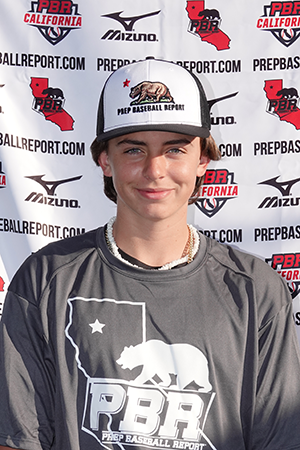 |
Logan Schmidt LHP / 1B / Ganesha, CA / 2026Schmidt’s 6-foot-4, 210-pound frame was noticeably trending in the right direction as it still maintained its physicality while presenting a leaner, more athletic profile. Featuring a simple, repeatable delivery, the reclassed southpaw, who will hardly be 18 on Draft Day, worked 91-95+ with a heavy fastball that shined at times with arm side life in a quality performance. With perhaps slightly more effort than the late summer, Schmidt pitched with an almost bored, presumptuous demeanor that allowed him to rise above the opposition while looking the part of a future starter. Tossing a slurvey-type breaking ball, for strikes, at 74-78 (2000s rpm), Schmidt was able to land the pitch with varying shape, and while it showed as below average in this look, more aggressive player development systems may raise its level. The changeup was the top secondary offering, a 82-85 (1400s rpm) pitch that was thrown with power intent and holds upside as a potential weapon, and flashed as an above average, confidence pitch in this look. The lack of a spin pitch is the biggest concern right now, although it hardly felt non-existent, but rather in need of more pitch design and shape work. This look, one that saw the big left-hander go five innings on 74 pitches (50 strikes) while striking out six, walking one and surrendering three unearned runs, held more of a second round distinction. Having said that, Schmidt’s unique profile, and especially the fact that he reclassified, will warrant supplemental attention. There is clearly more upside for the young starter, and those who believe that they can elevate his tools are sure to find considerable value…or he will head off to LSU as one of the premier players to make it to campus with the opportunity to blossom into a Top 15 pick in ‘29.
|
 |
Cooper Sides RHP / 1B / Orange Lutheran, CA / 2026Sides possesses one of the more athletic and physical frames from a right-handed prospect with some durable strength throughout a 6-foot-5, 210-pound frame. This look saw the LSU commit go five innings of one-run ball while striking out four, walking two (hbp) and surrendering three hits. Even without his best stuff, Sides was able to get out of any jams and ultimately threw 45 of 73 pitches for strikes. A quality uncoiler with a loose arm that gives way to a near ¾ release, there is normal effort out front, and he worked 90-94 with a fastball that showed more control than command without missing bats in the zone. Sides landed his curveball (76-78) with gradual depth, and slider (79-84) for strikes with each holding future average grades. Intriguingly, he also featured a changeup (80-81) to both left and right-handed hitters. The sum of the parts will likely allow the stuff to play up in the future, especially as he builds towards mid-season form (he sat out a mandatory 30 days after a transfer), and the velocity, of which he is more dependent on, will likely rise as well. While the shapes are presently less impactful, the looseness of Sides arm, and the ease of the athletic operation still provide plenty to dream on, and there is clearly value within the right player development team.
|
 |
McCoy Silicz RHP / 1B / Bakersfield Christian High School, CA / 2026Silicz had the unenviable task of toeing the rubber during a storm, but hardly flinched in displaying the toughness of a young prep arm with a bright future. Powerfully-built at 6-foot-5, 225-pounds with more strength and development on the way, the right-hander worked 92-95+ (23-2500 rpm) with a short, near-catcher-like arm stroke that promises more velocity to come. He countered with a tighter slider at 79-81 (23-2400 rpm) and tumbling splitter at 83-85. While this quick look was in difficult circumstances, it only reinforced the belief that Silicz has big upside as a future starter. More of an early Day 2 hopeful in this year’s draft, his upside after three years in Oxford would immediately receive “pick-to-click” status.
|
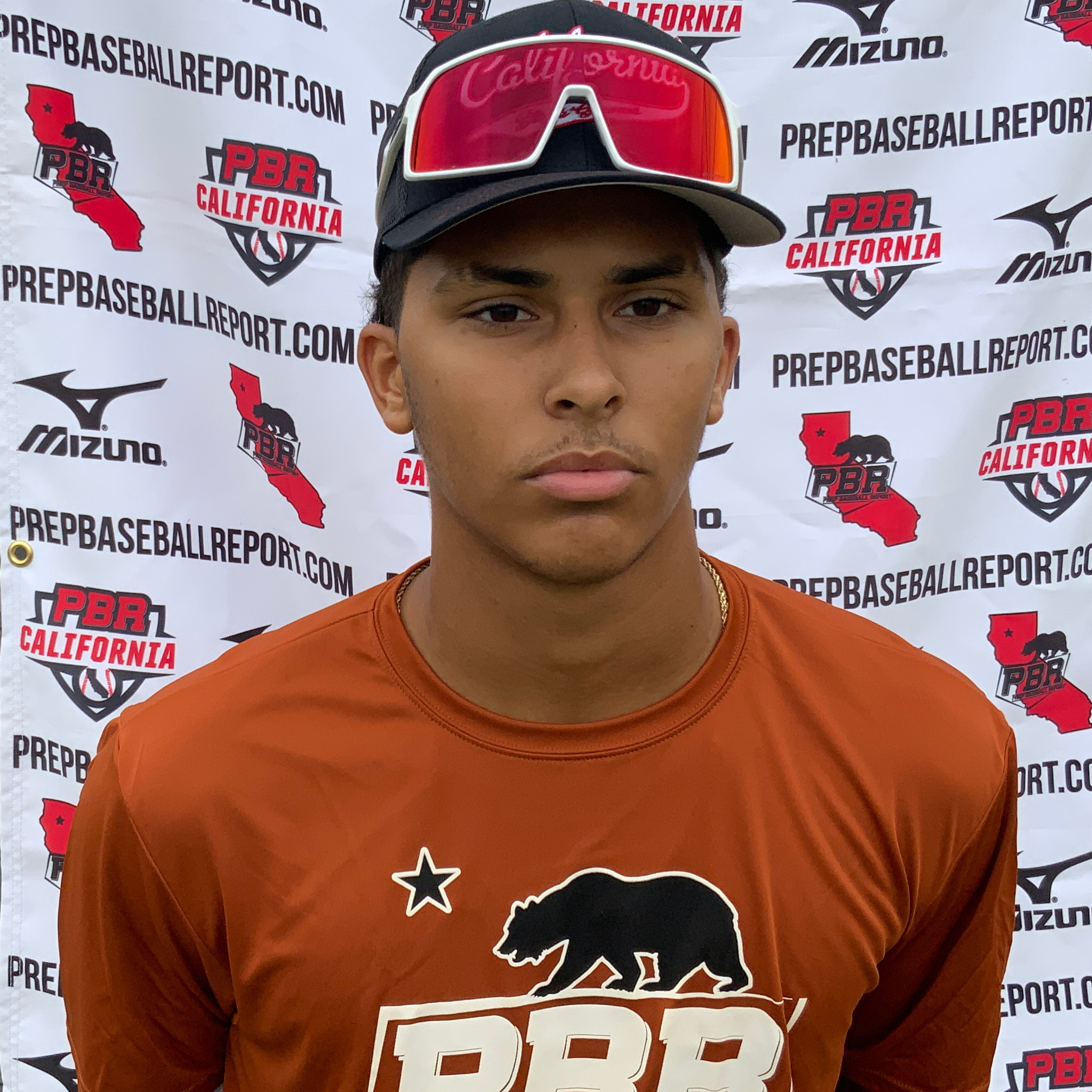 |
Jason Harris SS / RHP / Franklin, CA / 2026Athletically built with a smaller frame at 5-foot-9, 160-pounds, Harris returned from injury and looked to be in mid-season form with some outstanding swings across two games. The left-handed hitter displays a balanced and fluid look with well-connected load that gives way to a flat path driven by quick hands. Swinging bigger than his frame would hint at, he maintains a controlled, aggressive look with sneaky power to the pull side, and innate coverage of the plate. There is some dynamic, tight turn ability, and his more average-to-above speed plays up thanks to a quick first step. Defensively, Harris profiles as a second baseman with more average tools. While it would take a big finish to move into the early Day 2 discussion, Harris has the chance to be an instant impact guy in Berkeley with a chance to explode over three years.
|
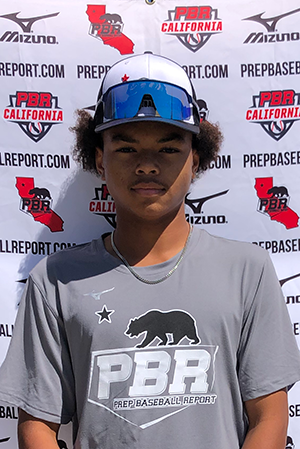 |
Dylan Minnatee 1B / OF / Franklin, CA / 2026Minnatee was perpetually on the barrel throughout a dominant two-game look that saw the left-handed hitter collect a full smattering of hits. The 6-foot, 190-pounder looked a bit stronger than the summer, and it showed, especially with some back side drives for extra bases. Spring and summer looks from a year ago held a more abrupt coiling of the hands that disrupted timing, but this look presented a smoother, well-balanced approach that allowed his quick hands to get to all pitches with dangerous intent (and results). Still holding more of a doubles profile as a plus-defender at first base, the power profile, namely its potential of developing, is sure to dictate his ceiling within this year’s draft. Should the risks be unmitigated this spring, Minnatee will have a chance to raise his stock in Baton Rouge as one of the better pure hitters on-campus.
|
 |
CJ Weinstein SS / Orange Lutheran, CA / 2026There is a simplicity to the barrel-finding ways that the left-handed hitter displays in the box. Early setup with a toe-tap stride featured semi-stagnant, segmented hands ripping the barrel through the zone with considerable lag. Weinstein’s low-maintenance look, along with a heavy barrel, provides the look of a quality hitter whose stacked performances and production might ultimately elevate the profile as a higher floor prospect. Comfortably performing at second base with average actions and foot speed, the prospect profile relies more heavily on the development of the mate, namely the power, although the intrigue of a potential catching opportunity might help alleviate what is more of a slightly below average runner. In short, Weinstein’s path appears set to follow that of many recent SoCal performers who head off to the SEC and raise their stock with persistent production.
|
RELATED CONTENT: